Oblong Face Shape: How to Identify It, Style It, and Tell It From Oval
A practical guide to the longer facial outline: the signs to check, the difference between oblong and oval, and styling ideas that add visual balance.

In this guide
What is an oblong face shape?
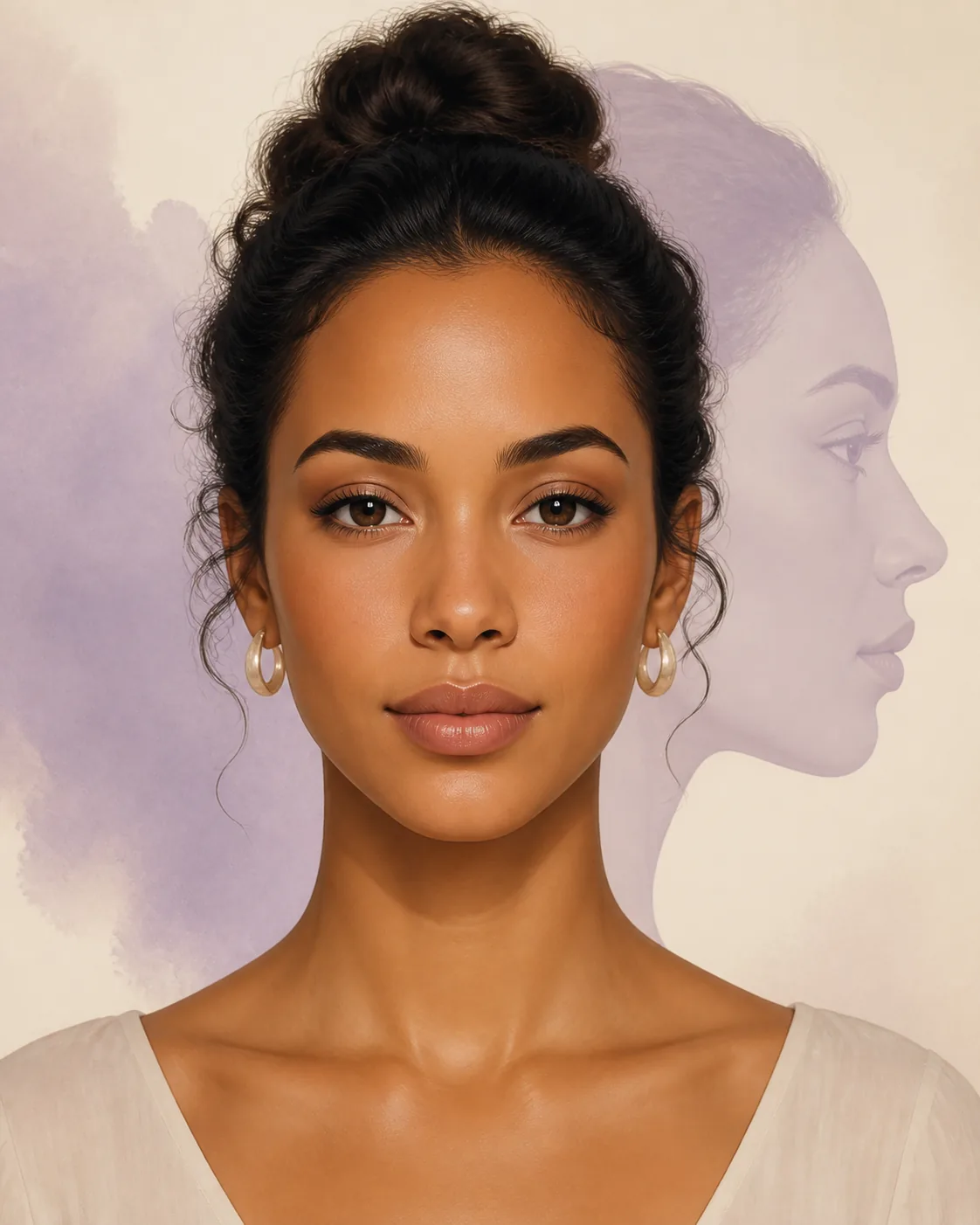
An oblong face shape is a longer facial outline in which the vertical length is more noticeable than the width. The forehead, cheekbones, and jaw may look relatively even from side to side, while the chin and overall face extend downward in a calm, elongated silhouette.
Oblong is sometimes called a long face shape. It is not a judgment about attractiveness, age, weight, or gender, and it is not a strict measurement category. Many people sit between oblong, oval, and rectangular, especially when hair, expression, or camera perspective changes the outline.
The most useful way to identify it is to look at proportions together: face length, cheekbone width, jaw shape, forehead width, and whether the outline feels softly curved or more angular. A single forehead, chin, or cheek feature is not enough by itself.
Main shape signal
Think length first, then width and angles. If the face reads noticeably longer than wide and the width stays fairly consistent through the cheeks and jaw, oblong may be a strong match.
How to identify an oblong face shape
Use a relaxed, front-facing photo with the hair pulled away from the cheeks. Trace the outer silhouette mentally before deciding which label fits.
- Compare length with width: An oblong face usually has a clear vertical emphasis. The face looks longer than it looks wide, but the exact ratio does not need to be measured with a ruler.
- Check the cheekbone band: The widest area is often around the cheekbones or upper cheeks rather than at a dramatically broad jaw. The width tends to feel steady instead of sharply expanding and narrowing.
- Read the jaw and chin together: The jaw can be softly rounded, gently angular, or slightly rectangular. Focus on the overall lower outline rather than assuming every oblong face has a pointed chin.
- Separate face from hair and expression: A high ponytail, long bangs, a smile, or a tilted phone can exaggerate length. Check a neutral expression and more than one photo if possible.
For a second opinion, upload a clear photo to the free Face Shape Detector.
Oblong vs oval face shape: what is the difference?
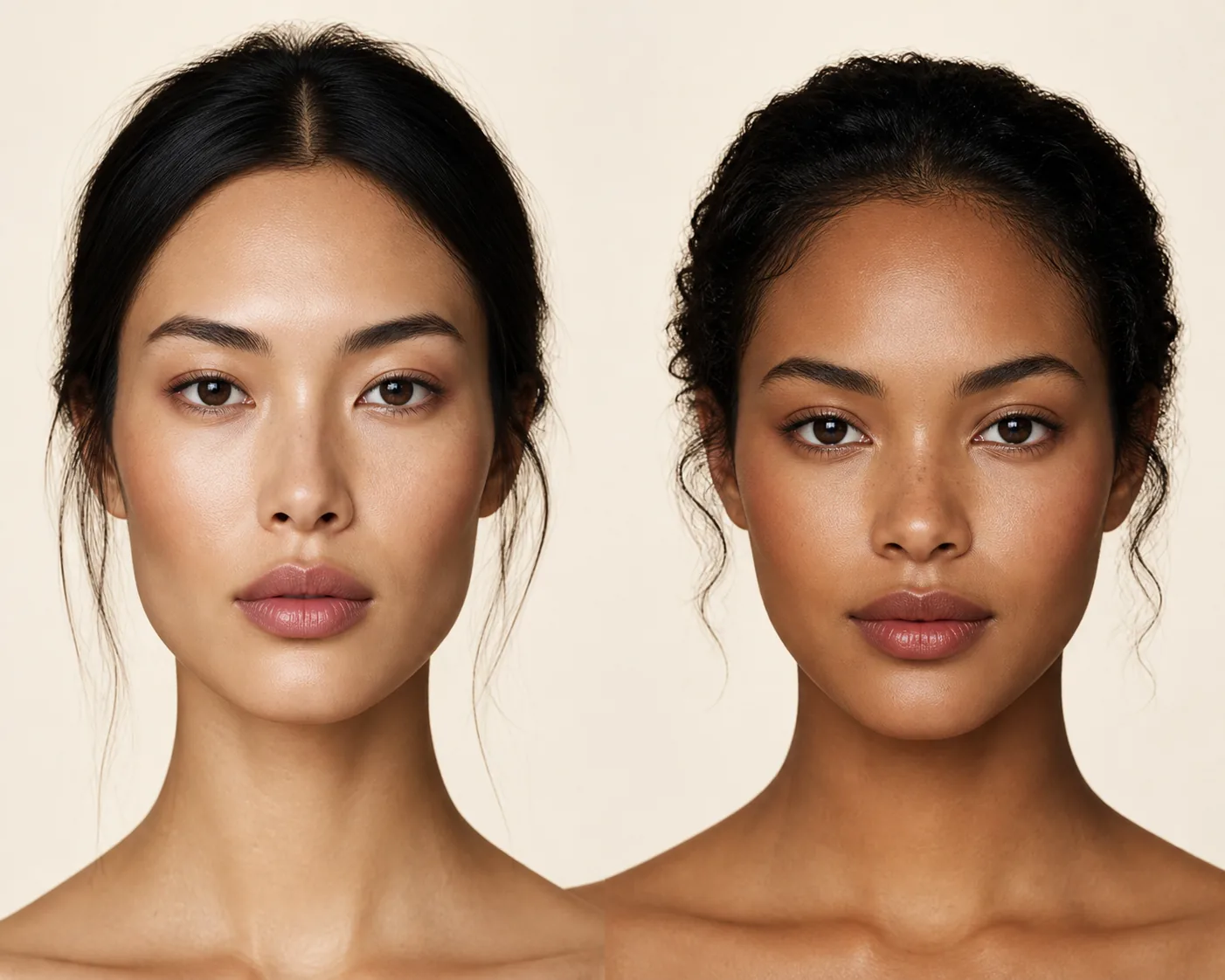
Oblong and oval are easy to confuse because both can have a softly curved jaw and no strongly square corners. The practical difference is emphasis: an oval face usually looks balanced in length and width, while an oblong face makes vertical length the more obvious feature.
Do not force a choice when the silhouette is close. A person can have an oval-oblong blend, and different photos can make the same face look shorter or longer. Use the comparison table as a styling vocabulary, not a pass-or-fail test.
| Shape | Typical outline | What stands out | Helpful check |
|---|---|---|---|
| Oblong | Longer vertical silhouette with fairly steady width through the cheeks and jaw. | Length is the dominant visual signal. | Compare full length with cheekbone width. |
| Oval | Balanced length, softly curved sides, and a gently tapered jaw. | Length and width feel more evenly proportioned. | Ask whether the face reads balanced before it reads long. |
| Rectangle | Longer outline with straighter sides and a more defined angular jaw. | Angles and parallel sides are more noticeable. | Look at the temples, cheeks, and jaw corners together. |
| Square | Similar forehead, cheek, and jaw width with a stronger horizontal presence. | Width and jaw structure usually stand out more than length. | Compare width at the jaw with total face length. |
Hairstyles for an oblong face shape
The most flexible styling goal is balance, not hiding your features. If you want the face to look visually shorter or wider, place movement and volume near the cheek and jaw area instead of adding height only at the crown.
Try layers that begin near the cheeks
Face-framing layers, a textured bob, or waves that open around the cheekbones can add horizontal movement. The length and density can be adjusted for straight, wavy, or curly hair.
Use fringe when you like a shorter forehead line
Curtain bangs, airy side-swept fringe, or a soft full fringe can interrupt a long vertical line. Choose a finish that blends into the rest of the haircut rather than creating a hard block.
Keep long hair from becoming one narrow column
Long hair can look great on an oblong face, especially with waves or layers. If the style feels too lengthening, add width around the sides and avoid concentrating all volume at the top.
Let your texture lead
Natural curls, coils, waves, and straight hair all work. The useful question is where the style creates movement, not whether one universal cut is supposedly correct.
Glasses for an oblong face shape
Frames can change the perceived balance of a long face. Start with comfort, eye position, and personal style, then compare shapes that add a little horizontal presence.
Compare medium-to-wide frames
A frame with enough width for your cheekbones can visually interrupt a long outline. The frame should sit comfortably without extending far beyond the temples.
Explore softly rounded or gently angular shapes
Rounded rectangles, classic squares with softened corners, and balanced browline styles can add structure without making the face look harsher. Try several bridge heights and lens depths.
Pay attention to lens depth and bridge fit
Very narrow, shallow frames may emphasize vertical length, while an appropriately deep lens can create more visual balance. Fit matters more than a trend label.
Treat the rule as a starting point
Color, prescription thickness, nose bridge, and hairstyle all change the result. A frame that feels good and sits correctly is more useful than a rigid face-shape rule.
Oblong face shape for men and women
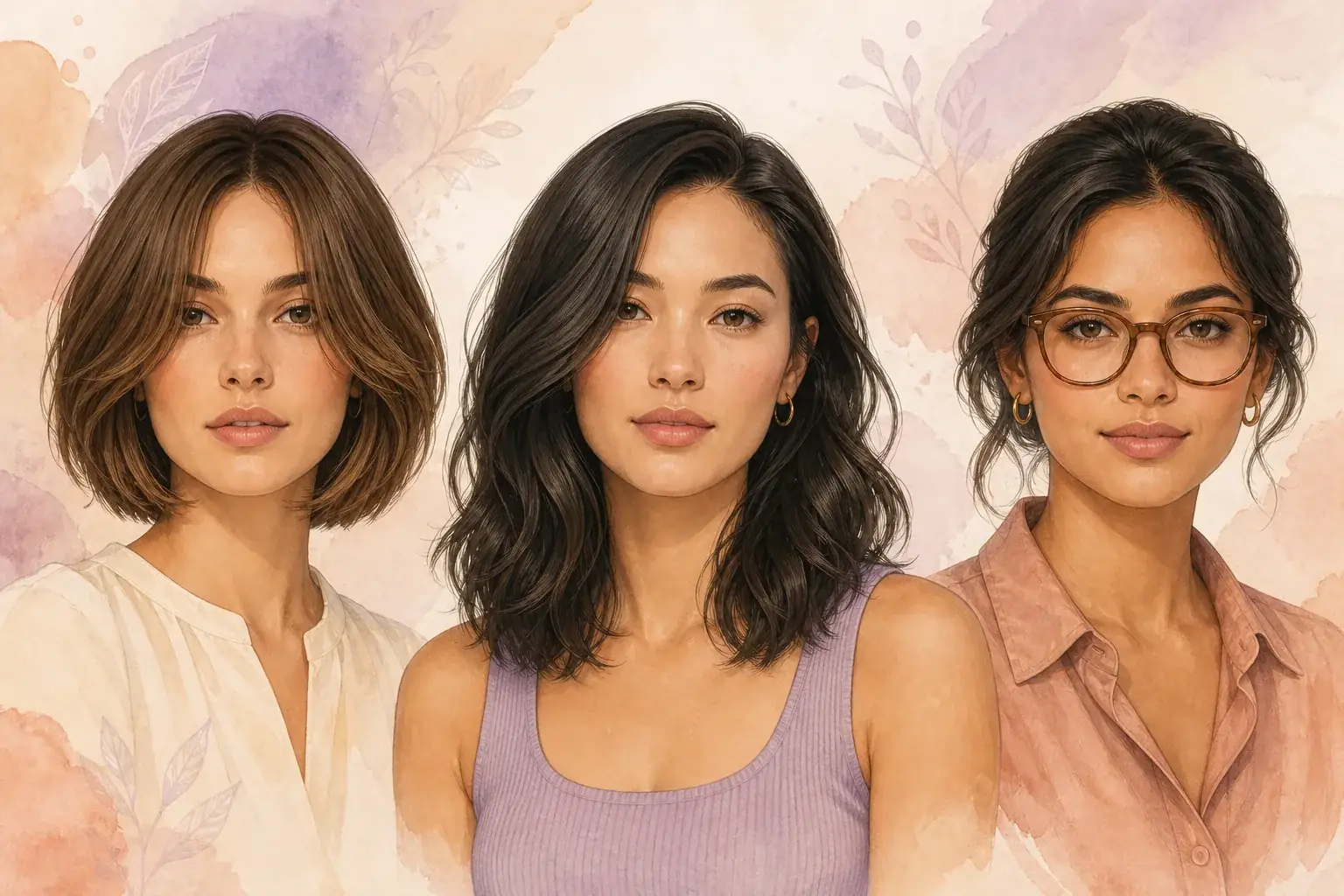
The same proportion-based checks work for men, women, and anyone who does not use a gendered style category. Labels such as oblong face shape men or oblong face shape women usually reflect different haircut and eyewear examples, not different anatomy rules.
Hair density, facial hair, makeup, glasses, and personal presentation can change what stands out. Keep the shape diagnosis separate from the styling choice: the best cut or frame is the one that fits your texture, routine, comfort, and taste.
- For shorter hair: Use texture or a small amount of side volume if you want to soften a long vertical line.
- For facial hair: A fuller side profile or carefully shaped beard can change the lower outline; judge the face with and without it if comparing photos.
- For any gender: The core check stays the same: compare length, width, cheekbones, jaw, and the effect of the photo angle.
Best photo for checking your face shape
A photo is only a useful reference when perspective is controlled. Wide-angle selfies and heavily styled hair can change the apparent proportions more than people expect.
- Use a front-facing camera: Keep the phone at eye level and take a step back if the lens is very wide. Avoid an extreme close-up.
- Relax your expression: A neutral face shows the jaw and cheeks more reliably than a broad smile, puckered lips, or a tilted chin.
- Move hair away from the outline: Pull hair behind the ears or use more than one view so the haircut does not become the shape you are measuring.
- Use even light: Soft light from the front reduces shadows that can make one cheek or side of the jaw look wider.
If several photos disagree, keep the description broad—such as oval-oblong or softly rectangular—and choose styling based on the features you enjoy rather than chasing a perfect label.
Oblong face shape FAQ
Related face-shape resources
Last updated: August 7, 2026
Try the Face Shape Detector