Visible balance
The face rater looks at how the main visible areas relate within this single image, including the overall frame and the balance between features.
Upload a clear, front-facing photo to try this free face rater. The AI reviews visible balance, symmetry, framing, and feature definition, then returns a cautious visual estimate rather than an objective beauty verdict.
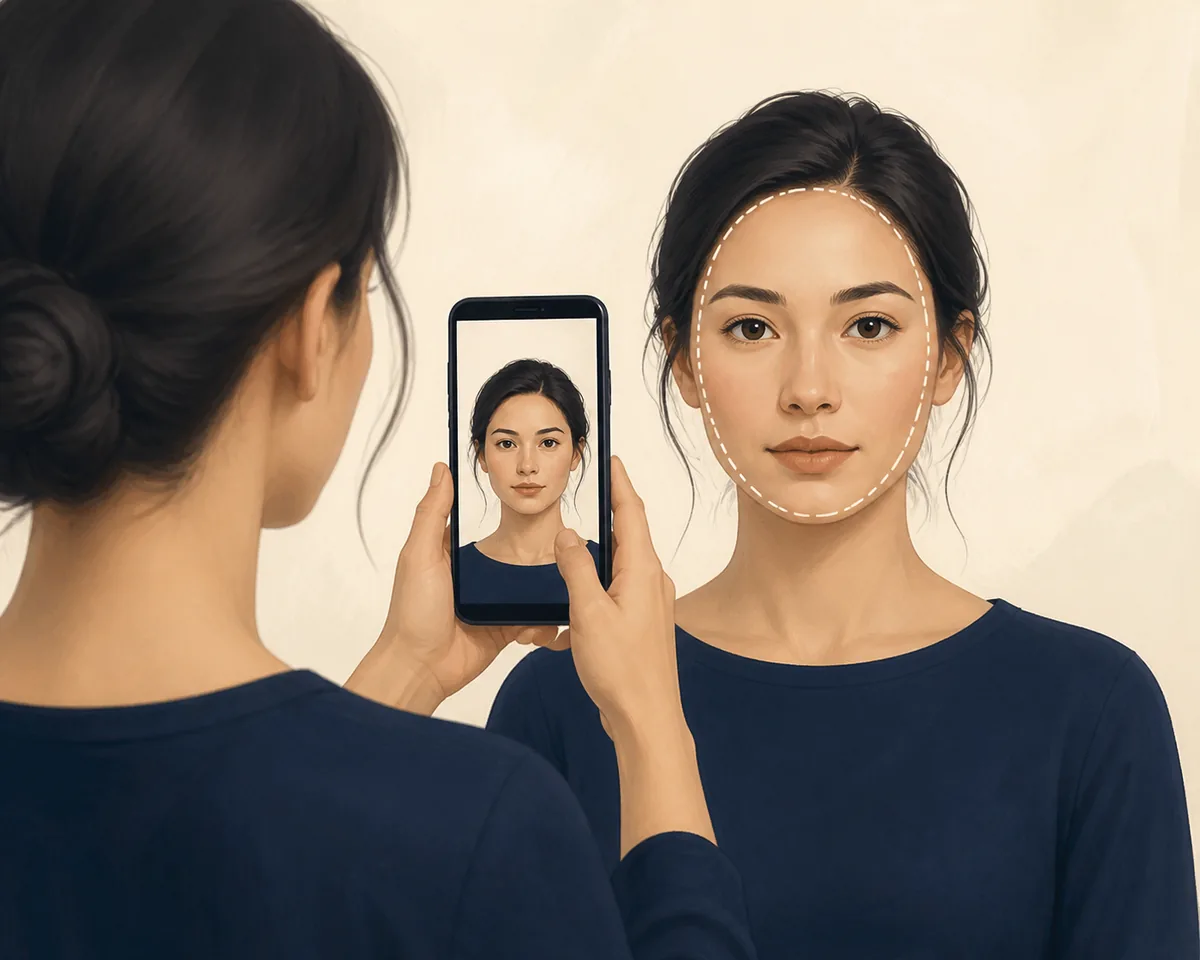
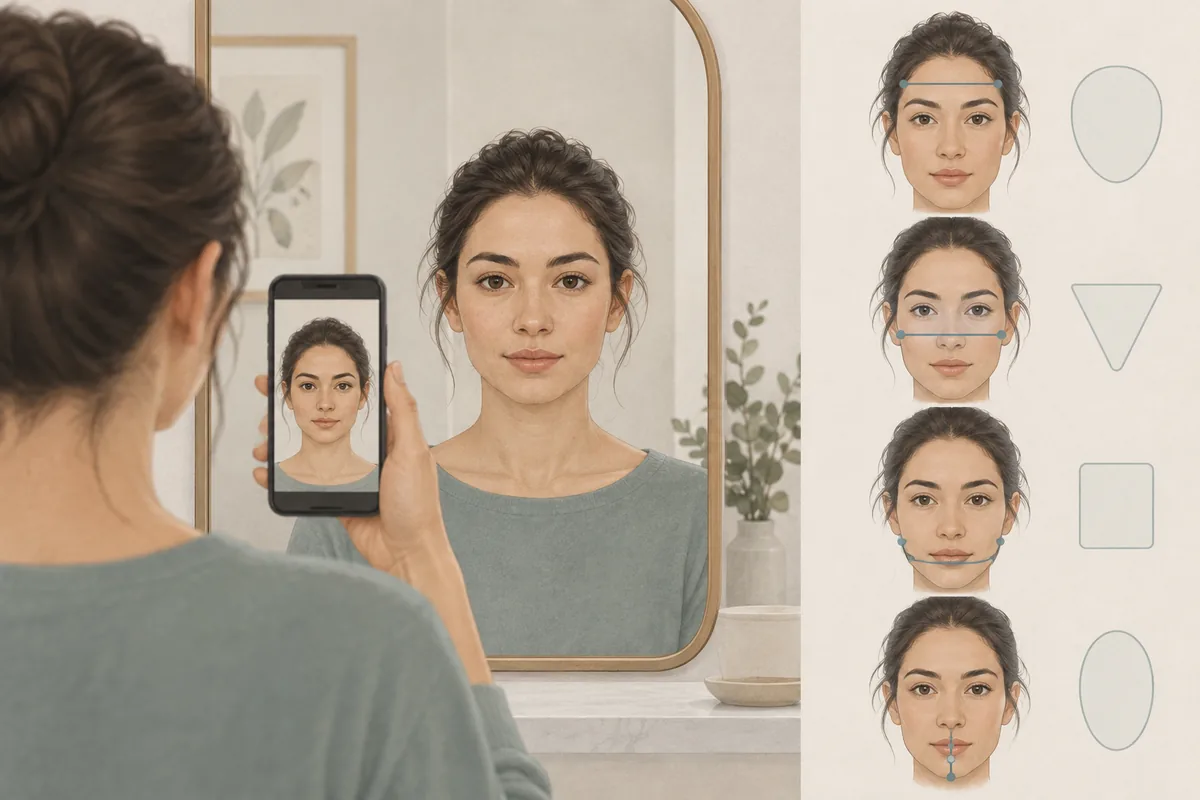
Use even light, a neutral expression, and a front-facing photo. You can also drop a file or press Ctrl + V to paste an image.
The result is a structured visual estimate from the uploaded frame. It is designed for curiosity and styling reference, not for judging a person's worth.
The face rater looks at how the main visible areas relate within this single image, including the overall frame and the balance between features.
Clear light and a natural expression make it easier to describe visible contours. Makeup, filters, shadows, and blur can reduce confidence.
You receive a 1-10 estimate plus supporting dimensions. The number is a communication aid, not a scientific measurement or a ranking of people.
Use a photo you are comfortable uploading. The page explains limits, and the face rater should not be used to infer identity, age, gender, health, or personality.
A neutral, well-lit portrait gives the tool more visible information. These existing site examples show the kind of framing that helps an image-analysis workflow.
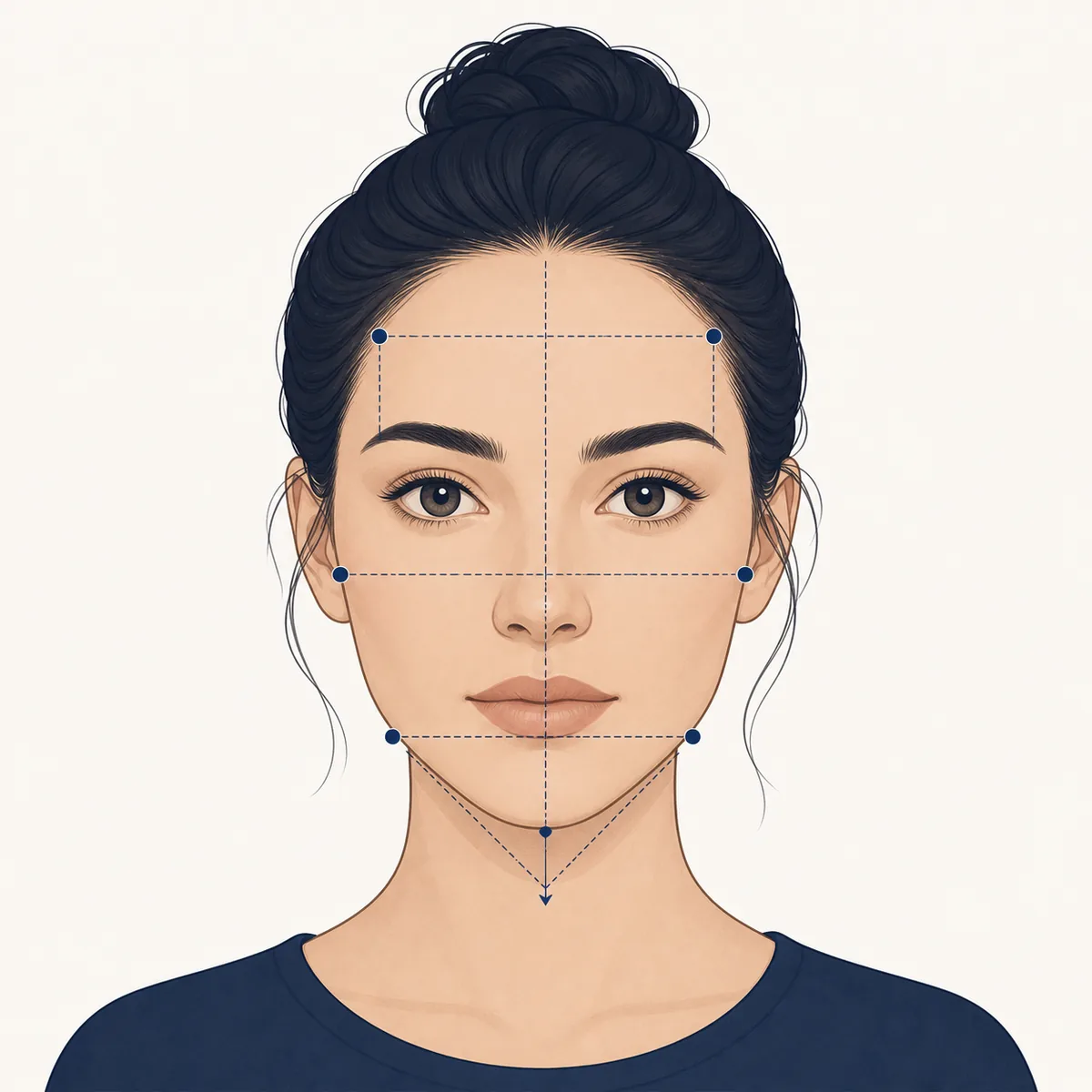
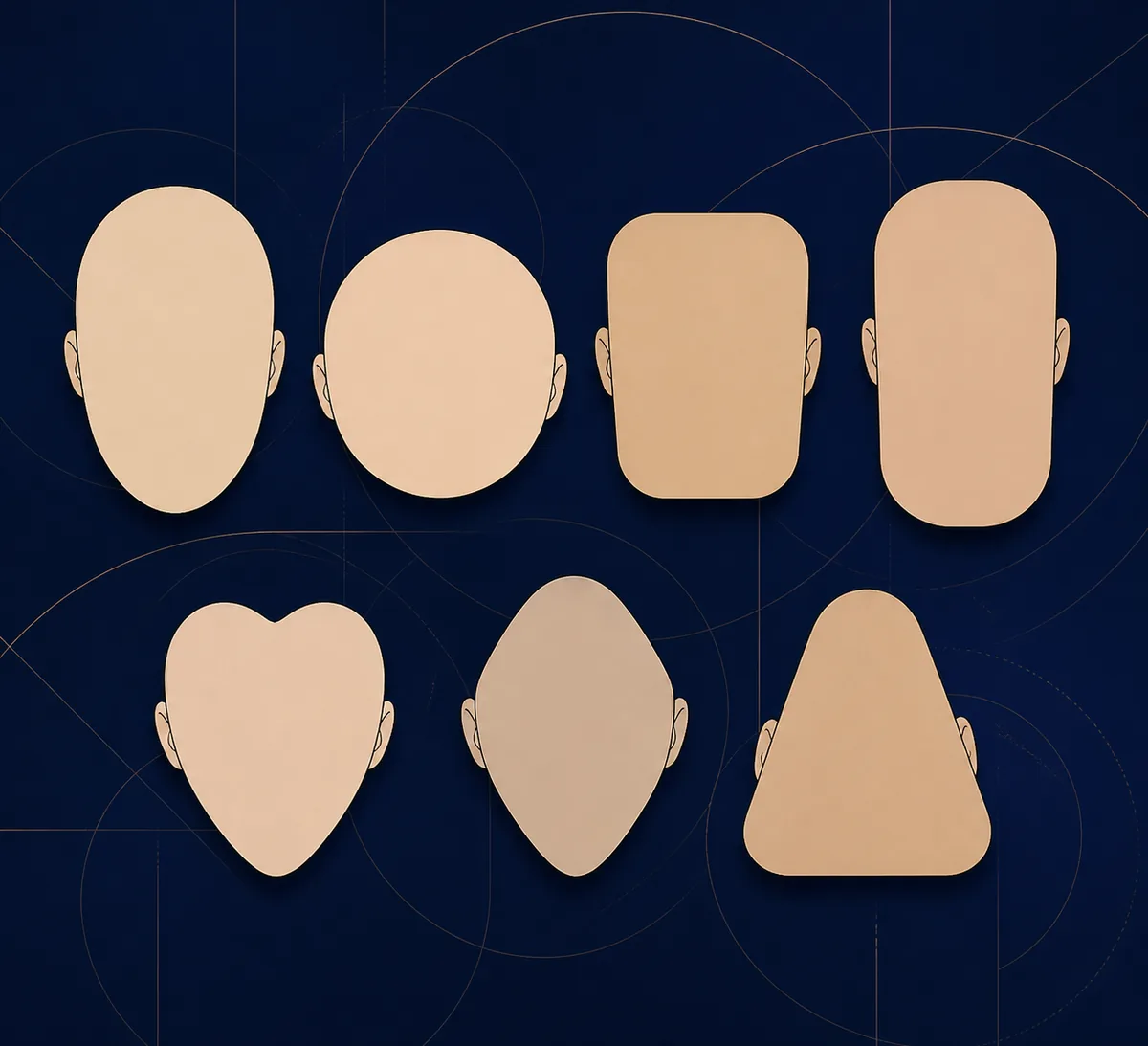
The labels describe what is visible in the photo, not a fixed identity or a universal standard of beauty.
Balance describes how the visible forehead, cheek, jaw, and central features sit together in this frame. It can change with a tilted head or a close camera.
Symmetry is a visual comparison of left and right appearance in the uploaded image. Natural faces are never perfectly mirrored, and expression can change the impression.
Definition reflects how clearly contours and feature edges appear. Soft light may hide detail, while harsh side light can exaggerate it.
Confidence tells you how usable the photo is for a visual estimate. It is not confidence that the score is an objective truth about you.
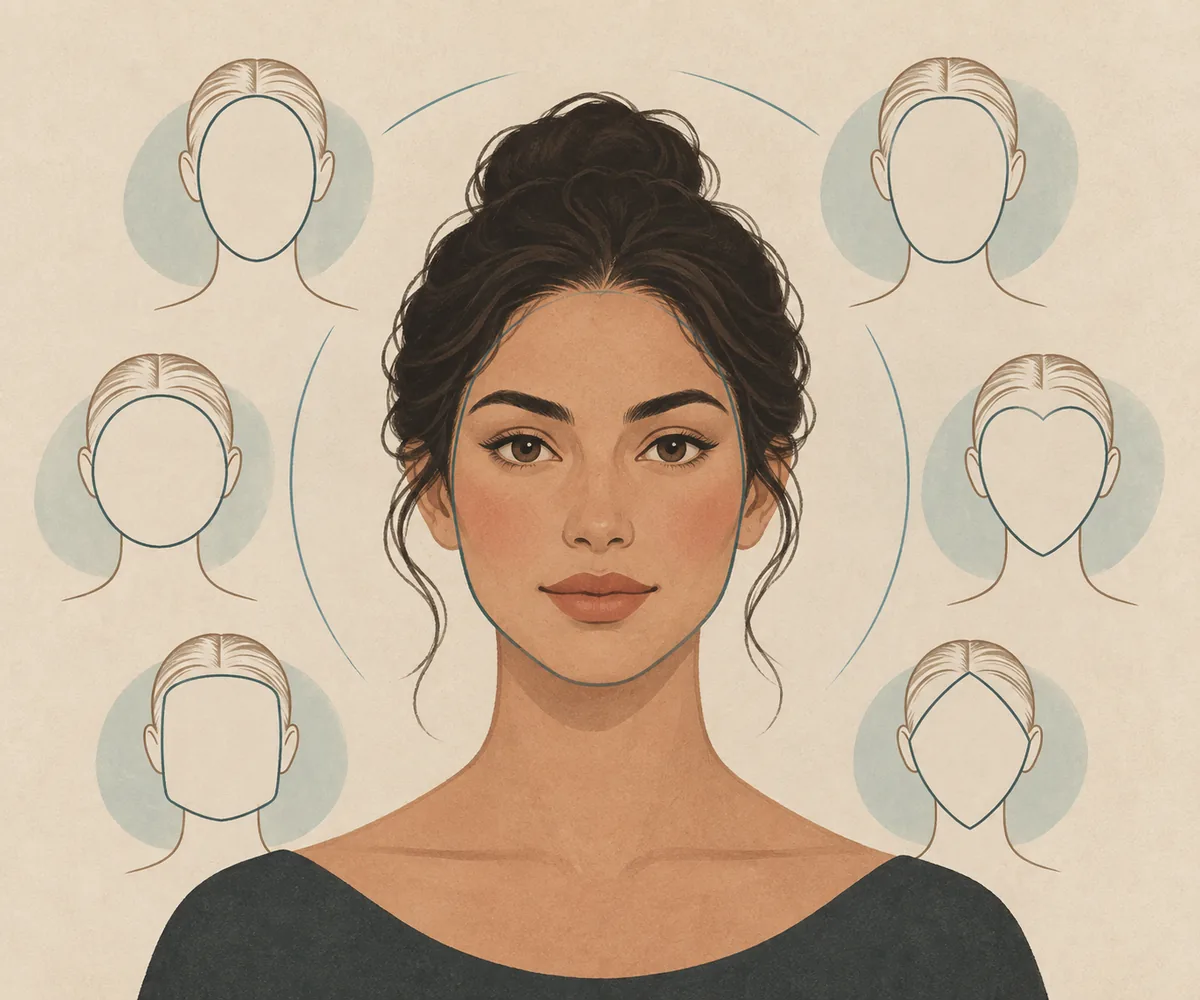
A centered head and visible face outline help the model compare the same signals from one photo to the next. Cropping and lens distortion can change proportions.

Hair, glasses, makeup, expression, and camera distance all affect the visible context. A result should support a decision, never replace your own judgment.
Select a front-facing portrait with the face large enough to see. Even light, a relaxed expression, and minimal filters make the visual estimate easier to interpret.
The browser compresses the image before sending it to the analysis service. A loading state shows that the request is active and prevents duplicate submissions.
The result combines a 1-10 visual estimate with confidence, balance, symmetry, definition, and short observations. Read the explanation beside the number.
If the result feels inconsistent, use a different neutral photo rather than forcing a conclusion. You can then compare it with the face shape detector or a styling guide.
People often search for a face rater because they want a quick answer to how they look in a particular photo. The useful answer is contextual: the same face can read differently with lighting, expression, hair, glasses, camera distance, or a beauty filter. This page keeps the result tied to the uploaded frame and explains what the score can and cannot say. Use it to notice visible balance or plan a styling experiment, then rely on your own preference for the final choice. A score should never decide whether someone is attractive, valuable, or worthy of respect.
A single number is easy to misunderstand, so the result also lists the visible signals that influenced it. Balance, symmetry, definition, framing, and confidence give you a more useful way to question the output. If confidence is low, improve the photo before comparing numbers. If two photos receive different estimates, check the background, head angle, expression, and crop. The tool is most useful when it helps you identify why a result changed instead of presenting a score as an absolute fact.
A face attractiveness test can be entertaining, but appearance is shaped by culture, taste, context, and personal style. The face rater does not identify a person, infer protected traits, diagnose anything, or predict how other people will react. It also cannot tell whether a photo represents your everyday appearance. Treat the output as one narrow description of one image. Avoid uploading another person's photo without permission, and do not use the result for hiring, admissions, dating decisions, or other high-impact choices.
The best follow-up is a concrete, low-pressure choice. You might compare glasses that balance a visible outline, test a hairstyle that changes the frame, or retake a portrait with softer light. For shape-specific questions, use the face shape detector and the manual face-shape guide linked on this page. For lip questions, use the lip shape test. These tools answer different questions, so keeping their roles separate reduces confusion and prevents one broad score from standing in for a complete analysis.
This face rater reviews visible balance, symmetry, feature definition, framing, and photo quality in one uploaded image. It returns a cautious 1-10 visual estimate with supporting observations. It does not measure objective beauty, identity, age, gender, health, personality, or future outcomes.
Yes. You can use the face rater page without a paid plan. Anonymous requests may be limited, and the service can be unavailable when the analysis provider is not configured. A clear error message appears instead of a made-up result when processing cannot complete.
No photo-based face attractiveness test can provide an objective or universal answer. The estimate depends on the uploaded frame, lighting, expression, crop, camera lens, makeup, and model behavior. Use the confidence label and observations to understand uncertainty, and retest with a neutral photo if you need a comparison.
Use a front-facing image with even light, a relaxed expression, minimal filters, and enough resolution to see the face outline. Keep the head centered and avoid strong wide-angle distortion. These steps improve consistency, but they cannot turn a subjective estimate into a scientific measurement.
You should not use the score to judge, rank, hire, admit, match, or make another high-impact decision about someone. Ask permission before uploading another person's photo. The result describes one image and should remain a private, low-stakes styling or curiosity reference.
Different photos can show different lighting, head angles, expressions, hair, glasses, camera distance, and cropping. Those changes alter visible proportions and feature definition. Compare the confidence and observations, then choose the photo that best represents the question you are trying to answer.